
'Parents should not be left to shoulder 24-hour medical care without assistance' - Ballymoney mum speaks out
A Ballymoney woman who provides care 24 hours a day for her severely disabled daughter is calling for support for people in the same situation.
Jemma Cochrane is the sole full-time carer for six-year-old Ava, who is a twin with complex medical needs and is soley tube-fed.
"Ava requires constant supervision and care, day and night,” said Jemma.
"I provide 24-hour care except when she is able to attend school, although she is frequently absent due to illness, she is immuno-compromised, requiring immunoglobulin blood therapy every two weeks at home, and the severity of her condition.
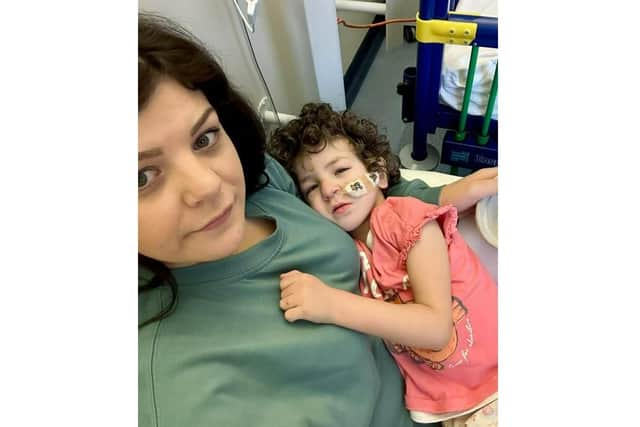

"I am unable to work because of her needs and have been informed that Ava cannot receive Direct Payments due to the complexity of her needs, including being tube-fed.”
Managing a PEG tube like the one Ava requires is classed as a health task meaning that carers who are paid via Direct Payments are not allowed to carry out the task.
Jemma added: “This effectively means I am delivering what would otherwise be a full-time professional care package alone, with almost no practical support.
"The physical and emotional toll is significant, and I worry about what would happen if I became unwell.”
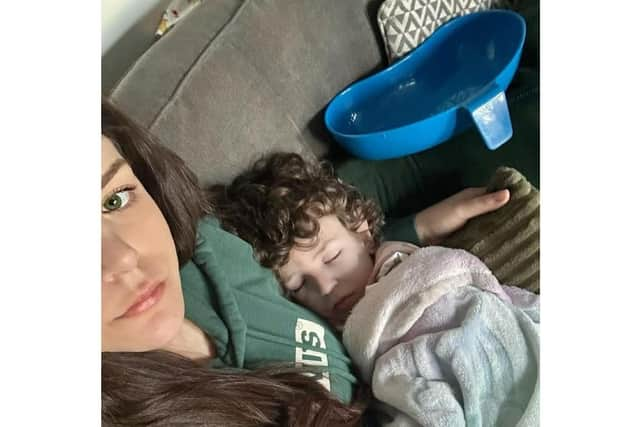
Receiving only three to six days of respite a year from the NI Children’s Hospice, Jemma said parents should not be left to “shoulder 24-hour medical care without meaningful assistance.”
"I am speaking out because I believe this raises serious questions about how families of severely disabled children in Northern Ireland are being supported.”
In a statement, the Northern Health and Social Care Trust said: “We recognise that access to respite services is vital for children like Ava, and their families, and we remain committed to providing the highest standards of care to all our patients and service users.
"We will continue to liaise with Ava and her family to ensure they both receive the care and support that they need.
"Direct payments and delegation of permitted healthcare tasks is a complex area, and work on this issue is ongoing with our regional colleagues and the Department of Health.
"This includes a review of Direct Payments in relation to relevant legislation around health care tasks that can be administered under Direct Payment arrangements.”