


“We know from our consumer research that households in Northern Ireland are already changing their shopping, cooking and eating habits, due to the rising cost of living,”, said Philippa McKeown-Brown, Head of Food Policy at the Consumer Council.
“Our most recent Northern Ireland Household Expenditure Tracker shows that in January to March this year, when food prices hit their peak at 19.1 percent, lowest-earning households were having to spend as much on food as they were on their combined housing and energy costs.
“This is placing a lot of strain on some households, with many low-income consumers having to sacrifice on the quality of the food they buy, and the quantity, with some parents reducing their portion sizes or skipping meals completely to ensure their children eat enough.”
Consumer Council research also shows that many consumers are doing all they can to save money on their grocery shopping, whilst others are only now beginning to adjust their spending.
Check out the list below for some tips that may help you make your money and food go further.
For further information on saving money on food, visit www.consumercouncil.org.uk/costofliving/food
As we approach Christmas, the Consumer Council also have a food and present planner to help you budget at https://bit.ly/budgetChristmas

5. Shopping tips
“Special offers” might not be that special. Always check the price per unit information on the shelf-edge labelling to work out if you’re getting value for money. Photo: Rudy and Peter Skitterians from Pixabay

6. Shopping tips
If you do your food shopping online, don’t just stick to your regular list – check offers and the unit price of your regular purchases against other options to make sure you are getting best value for money. Photo: Photo Mix from Pixabay

7. When you get the shopping home
Inspect pre-packed fruit and vegetables before storing them away One bad apple or potato will quickly ruin the lot. Photo: Helena McManus
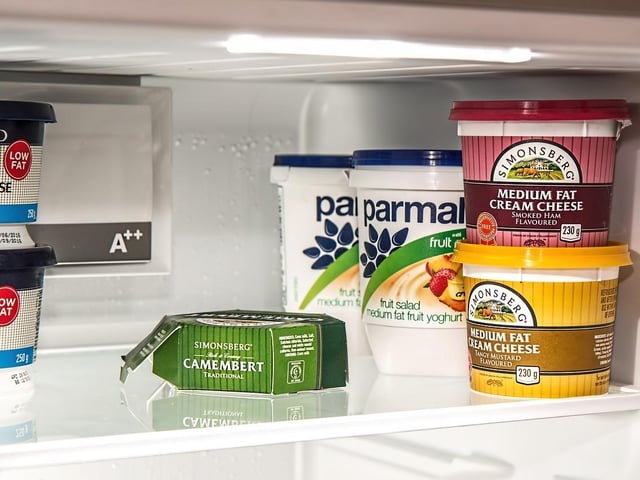
8. When you get the shopping home
Is your fridge cool enough? It should be set between 3-5°C, but the average UK fridge is too warm at 7°C. Photo: Steve Buissinne from Pixabay