
Black Friday: PSNI issue advice on shopping online safely this festive season
The PSNI has issued timely advice on shopping online safely ahead of Black Friday (November 28).
With opportunistic scammers taking advantage of an increased number of online transactions, people are being urged to protect themselves before they start hunting for online bargains.
Police have issued the following tips on staying safe when buying online:
- Make sure a website is authentic by carefully checking the address is spelled correctly – it’s easy for scammers to set up fake websites that are similar to the real thing.
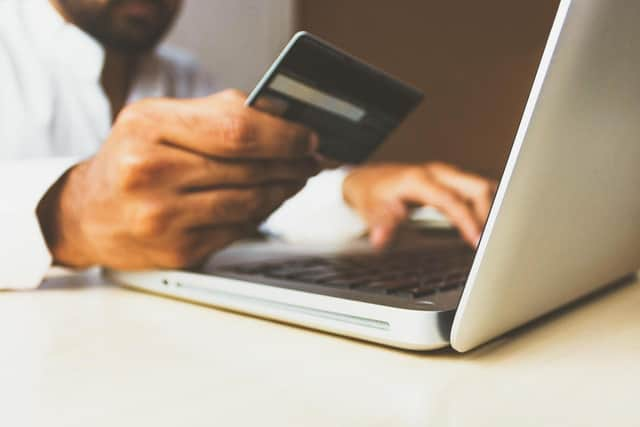

- Make sure payment pages are secure by checking that addresses begin with ‘https’ (‘s’ is for secure) and there’s a closed padlock in the address bar. The https and closed padlock mean that the page is secure, but the site could still be operated by fraudsters.
- While many advertisements for gifts, tickets and holidays on social media apps and sites are genuine, some are fraudulent – be vigilant about checking that such ads are authentic.
- Don’t pay for items by transferring money directly to people or companies you don’t know. If it’s a fraud, your bank may not be able to recover or refund your money.

- Log out of the web page or app when payment is completed; closing it may not log you out automatically.
- Don’t knowingly buy fake or counterfeit goods; fakes are of inferior quality, contravene copyright law, and affect the livelihoods of workers who make the real thing. They can also be unsafe in use.
- Read the small print on ‘low-cost’ or ‘free’ trials and look for independent reviews; you could be signing up for large monthly direct debits which are hard to cancel.
- Don’t click on links in emails, texts or posts that you’re not expecting, and don’t open unexpected email attachments.
- Text messages and emails purporting to be sent by home delivery firms are also on the increase, commonly informing you that there’s a charge for re-delivering a parcel, or a shipping fee to be paid. Keep a record of everything you buy and which delivery firm the retailer is using.
- If booking trips online, look for independent reviews and make sure travel agents/tour operators are genuine by checking for an ABTA/ ATOL number. It’s best to pay by credit card for extra protection.