
Warning as venomous weever fish spotted at beaches in Mid and East Antrim
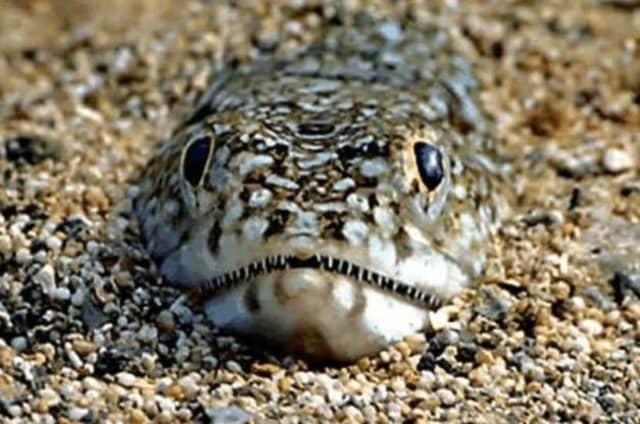

Swimmers and beach users are being warned to look out for venomous weever fish along the Mid and East Antrim coastline.
The fish, which have stinging spines, have been reported at beaches in the borough, according to Mid and East Antrim council.
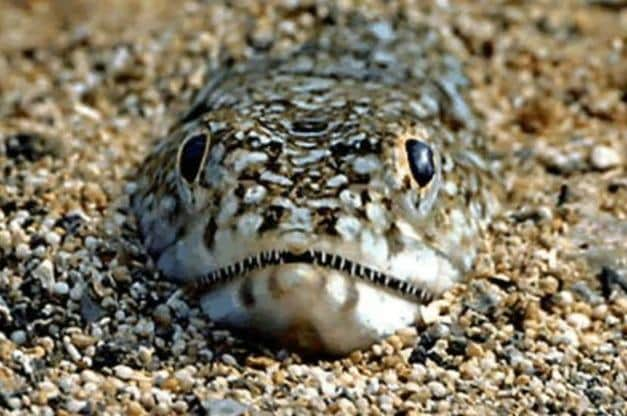
The weever spends most of the time buried under the sand with just its venomous black dorsal fin showing above the sandy bottom.
In a social media post, the local authority issued guidance on prevention and what to do if you are stung by a weever fish.
Prevention
- Wear protective footwear: flip-flops, crocs, or other footwear can prevent stings by creating a barrier between your foot and the fish;
- Shuffle your feet: when wading in shallow water, shuffle your feet to scare away any buried weever fish;
- Be aware of weever fish season: weever fish are most active during the summer months.
What to do if stung
- Remove any visible spines;
- Use tweezers or the edge of a credit card to carefully remove any spines or fragments from the skin, avoiding rubbing the area;
- Immerse in hot water. The affected area should be soaked in the hottest water that can be tolerated (45°C or 113°F) for at least 30 minutes. Some first aid resources suggest using seawater, rather than fresh water, to rinse the wound.
Pain relief
- Over-the-counter pain relievers like paracetamol or ibuprofen can help manage the pain.
Seek medical attention
If the pain is severe, persistent, or if there are signs of infection (redness, swelling, pus), seek medical advice.