
‘Mould breaking’ book ‘The Northern Star, Ireland most radical newspaper’ is launched
Historical and modern freedom of press issues meet at Freedom of Press conference
LAST Saturday saw the launch of a ‘mould breaking’ new book ‘The Northern Star 1792 - 1797, Ireland’s Most Radical Newspaper’, at St Joseph’s Sailortown in Belfast.
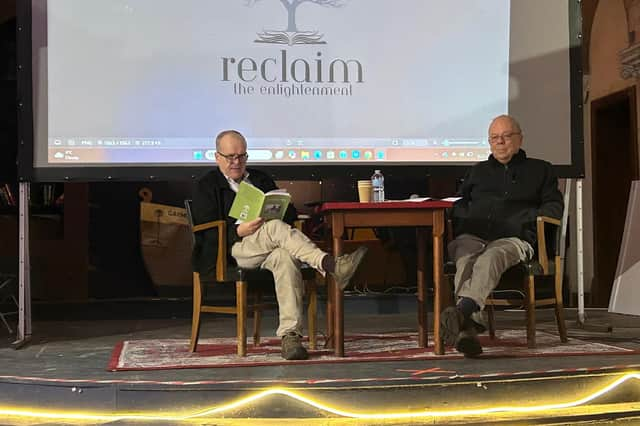

The book, written by Ulster-Scots poet, writer and journalist Alan Millar, traces the life of the celebrated Belfast newspaper ‘The Northern Star’, from its hopeful beginnings inspired by the French Revolution, until its suppression by the government 65 months later.
The launch, was part of a wider Freedom of the Press event, with Richard Sullivan, Northern Editor of the Sunday World and Deasún Ó Donnghaile, Member of the Equality Alliance, making powerful contributions.
Commenting, Alan said: “The Northern Star played a short but hugely significant role, not only in the history of Belfast and Ulster, but across Ireland. Inspired by the ideals of the French Revolution, the paper was created as the mouth piece for the infant United Irish
movement, to promote the union of Irish people, Catholic emancipation and reform of parliament.
“Defying legal, legislative and military assaults by the authorities, the editor, Samuel Neilson, courageously guided the paper though one of the most turbulent periods of Irish and European history and became a revolutionary in the process. Many of the pressure confronting the Northern Star are still very much relevant today, as was clear from listening to Richard and Deasún.”
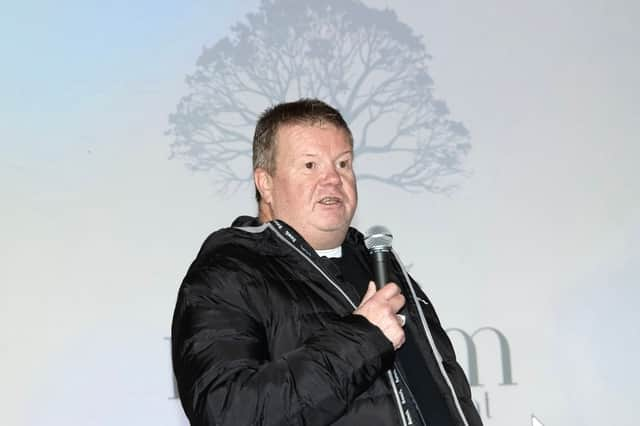
Richard spoke about: ‘Fighting for justice – the case of Sunday World journalist, Marty O’Hagan, murdered 25 years ago.’ Then went beyond this, to cover the risks he and his journalists take today, in reporting the most difficult issues of criminality and paramilitarism.
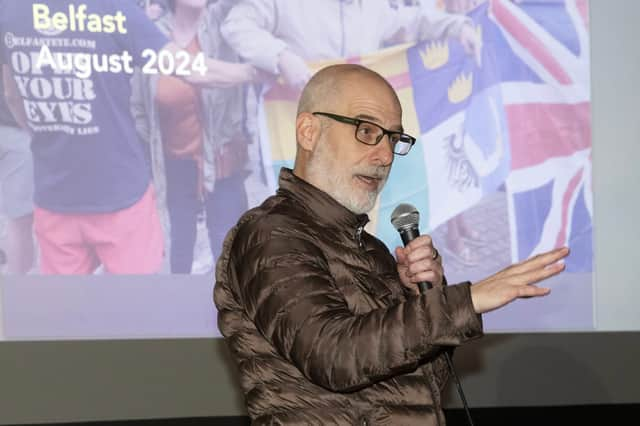
Deasún spoke about: ‘Social media and the incitement of racist pogroms.’ It was clear from reports Deasún had compiled, that analysis of social media behaviour casts questions over the truth disseminated by powerful organisations, in relation to the riots in Ballymena and other places.
The Freedom of the Press event was organised by Reclaim the Enlightenment, a Belfast charity dedicated to building a community of thought, conversation and activism, inspired by the progressive spirit of late eighteenth-century Belfast. They had published Millar’s book, with assistance from Ulster University.
A spokesperson for the charity said: “Reclaim the Enlightenment was delighted to hold a Freedom of the Press event that encompassed history, with the launch of Alan Millar’s mould breaking book on the celebrated United Irish newspaper, the Northern Star, but also ranged over present issues and threats including the unresolved murder of Sunday World journalist, Marty O’Hagan and the malign role of social media in encouraging racist riots.”
RTE chair, John Gray said: “this is unfinished business and for us the defence of a free and well-informed press is a cause that requires eternal vigilance.”
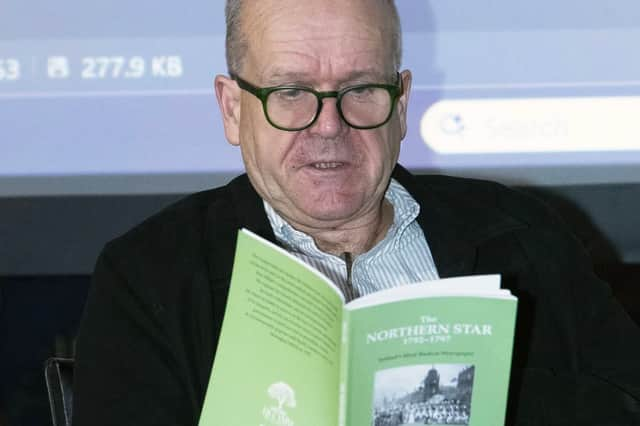
In respect of the book launch, Gray had said previously: “Alan Millar’s comprehensive account is timely indeed. He captures its vibrant demands for reform at home, its multi-culturalism, and its internationalism.”
“He charts its battle to survive in the face of arrests and seizures of its property, and its use of satire when explicit attacks on government would have led to immediate closure. It was immensely popular until finally smashed up by the Monaghan Militia in 1797.”
During the launch, Millar had said: “Reclaim the Enlightenment have done an ‘alternate Burns night’ this last few year. Ulster-Scots Language Week begins on Monday. So, this launch on some levels, could be seen as an alternate Ulster-Scots event. The Northern Star
was an Ulster-Scots newspaper not only in terms of the regular appearance of radical poetry written in Scots, including work by Robert Burns himself, but all 12 of the proprietors were Ulster-Scots Presbyterians.
This is a powerful and never more prescient reminder that, viewed flexibly, there is no paradox in being Ulster-Scots and also being fully committed to a union of Irish people and reform.
“The paper was not there to have hamely tongue or be a book of weans rhymes, but a serious political instrument, still reaching down to us today!”