


These outdated and eccentric statutes offer a fascinating glimpse into the past, reflecting societal norms and priorities that have long since evolved.
From quirky restrictions on what you can do in public spaces to unusual regulations governing daily life, these laws are a testament to the unique legal history of the region.
While many of these laws are rarely enforced today, they remain on the books, serving as a reminder of Northern Ireland's legal heritage. Some of these statutes date back centuries, originating from times when the world was a very different place.
They provide a humorous and intriguing look at how laws were designed to regulate behaviour in ways that may seem baffling by modern standards.
Here are some of the most curious laws that still exist today:

5. It’s illegal to gamble in a library
The Public Libraries (Northern Ireland) Act 1964 prohibits gambling in libraries to ensure these spaces are used only for their intended educational and recreational purpose.The aim of this law was to maintain decorum and primary function of public libraries.Violations can result in fines or expulsion from the library, emphasising the importance of preserving a quiet and focused environment for study and reading.Though specific references to gambling are not explicitly stated in the act itself, its prohibition would fall under general library regulation to ensure proper use and maintenance, making the Act more heavily focused on the management and regulation of public libraries.Status: Still in effect, aimed at maintaining the intended use of libraries.For more information, go to legislation.gov.uk/public-libraries-ni-act-1964 Photo: pexels
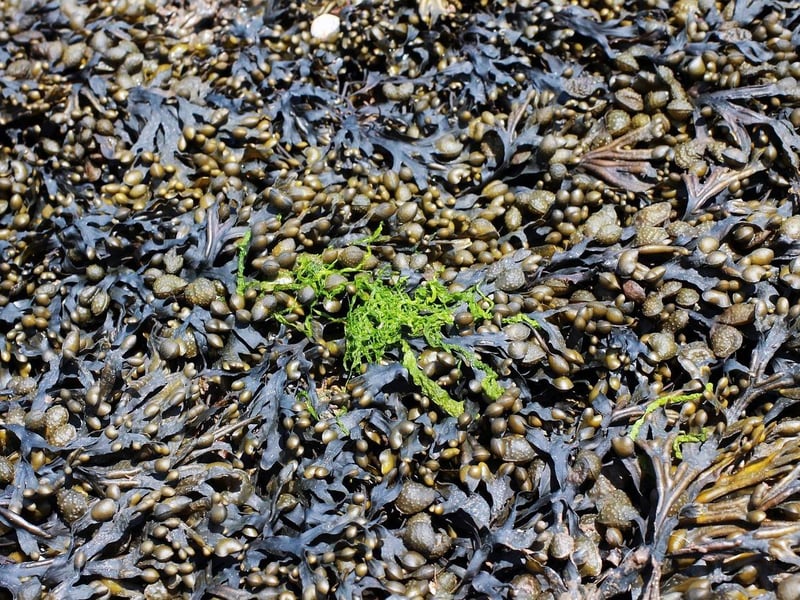
6. You cannot collect seaweed from a public beach
Collecting seaweed from public beaches in Northern Ireland is regulated under the Fisheries Act (Northern Ireland) 1966, which requires a permit to ensure sustainable harvesting practices.This law was enacted to protect marine ecosystems and ensure the responsible use of natural resources.Unauthorised collection can result in fines, emphasising the importance placed on environmental conservation. This regulation remains relevant today, given the ongoing need to balance human activity with ecological preservation.Status: Still in effect, aimed at sustainable harvesting practices.For more information, go to legislation.gov.uk/fisheries-act-ni-1966 Photo: pixabay
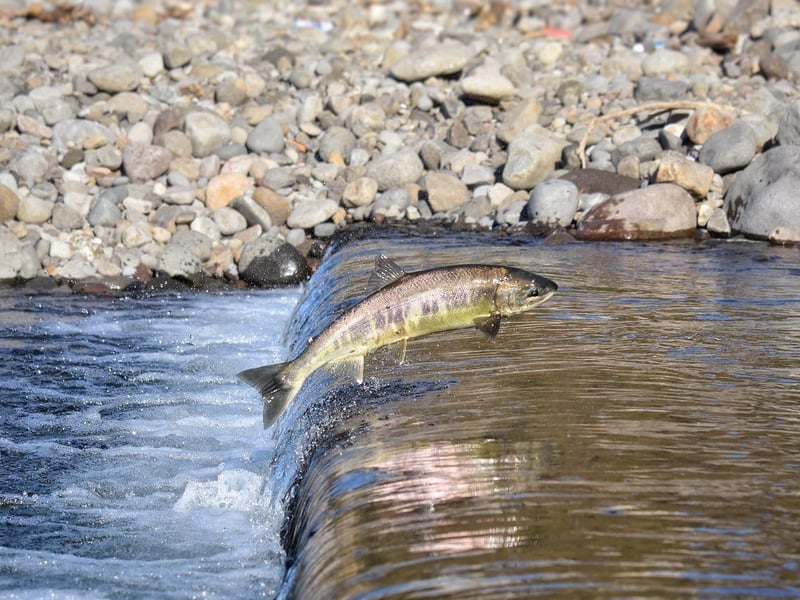
7. It's illegal to handle salmon in suspicious circumstances
In Northern Ireland, the Salmon Act 1986 makes it an offence to handle salmon in suspicious circumstances with the aim of preventing illegal fishing and trade. This law helps to protect salmon populations and regulate the fishing industry.The term “suspicious circumstances” is broadly defined, giving authorities flexibility when it comes to enforcement.Offenders can face significant fines or imprisonment, underscoring the importance of maintaining sustainable fishing practices.Status: Still in effect, aimed at preventing illegal fishing.For more information, go to legislation.gov.uk/salmon-act-1986 Photo: pixabay
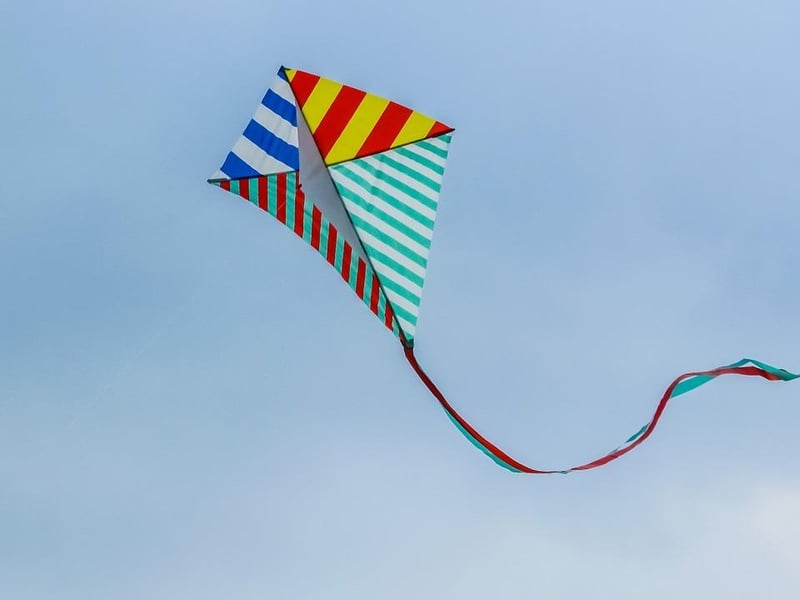
8. It’s illegal to fly a kite in a public place
The Town Police Clauses Act 1847 prohibits flying a kite in a public place in a manner likely to cause annoyance or danger. This law was originally established to prevent disturbances and ensure public safety.Although it may seem unusual today, it reflects historical efforts to regulate public behaviour in heavily populated areas.Status: Still in effect under the Town Police Clauses Act 1847, but not commonly enforced.For more information, go to legislation.gov.uk/town-police-clauses-act-1847 Photo: pixabay