
Mid and East Antrim: Council welcomes potential to extend the bathing waters season
Mid and East Antrim Borough Council’s Neighbourhoods and Communities Committee has agreed to approve the council’s draft response to a public consultation by DAERA on the Bathing Waters Policy Review for Northern Ireland.
There are five identified bathing waters in Mid and East Antrim at Ballygally; Carnlough; Drains Bay; Portmuck and Brown’s Bay, Islandmagee and 33 coastal and inland sites across Northern Ireland.
Monitoring is carried out weekly by DAERA which is seeking views on proposals for improving communication with bathing water users, the duration and flexibility of the bathing season, ensuring monitoring locations reflects use as well as inviting nominations for new sites.
Fisherman’s Quay in Carrickfergus was unsuccessful in a previous bid to be added to the water testing schedule after it was found not to be used in the numbers required to be designated as a bathing water.
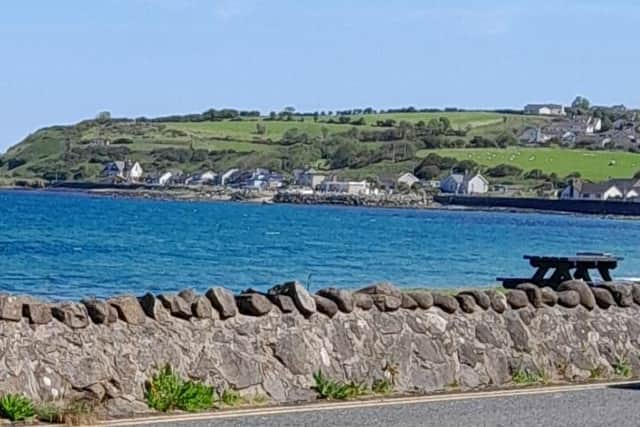

Carrickfergus Castle Alderman Billy Ashe MBE asked if an oyster farm could be installed at Fisherman’s Quay at the town’s seafront to improve water quality. An oyster farm is already located at Carrickfergus Marina and Glenarm Marina.
The borough council is the bathing water operator for designated sites in Mid and East Antrim and is required to display monitoring results on-site and on social media. Bathing waters are assessed against standards set by The Quality of Bathing Water Regulations (Northern Ireland) 2008.
Bathing water operators must display signage advising if the water is unsafe for swimming, notify DAERA of any pollution and remove waste where appropriate.
On June 5, Mid and East Antrim Borough Council said that it had been notified by the Department that a recent bathing water sample had a “higher than acceptable result” warning people not to enter the water at Ballygally until such times as the levels became acceptable.
The following day, DAERA said that temporary advice against bathing was removed “after monitoring indicated that poor water quality for faecal indicator organisms was no longer a risk”.
The council said at the time the rise in bacteria may have been caused by heavy rain and advised people not to enter the sea for at least 48 hours after heavy rainfall.
The local authority has proposed that QR codes could be introduced or a similar digital solution which could be updated “efficiently”, if necessary, a committee report said.
The council welcomed the potential to extend the bathing waters season, particularly at sites where usage continues outside the summer months and highlighted the opportunity to include other water-based activities.
The council also said that it would welcome expansion of a predictive system which would provide advanced warning of potential pollution incidents through monitoring of feeder rivers and streams.
The committee report said: “The council wishes to highlight that effective communication with the public on the importance of good hygiene practices remain essential. Ongoing awareness and education initiatives play a key role in protecting public health and promoting informed decision-making among bathing water users.”
DAERA stated: “Identified bathing waters and other bathing sites increasingly serve a broad range of recreational users from swimmers and paddle boarders to kayakers and walkers and there is a need to ensure that our policy, monitoring and management arrangements remain fit for purpose in a changing environmental and societal context.”
Michelle Weir, Local Democracy Reporter