
‘Northern Ireland is facing an accident crisis’ with pedestrians particularly vulnerable, warns RoSPA
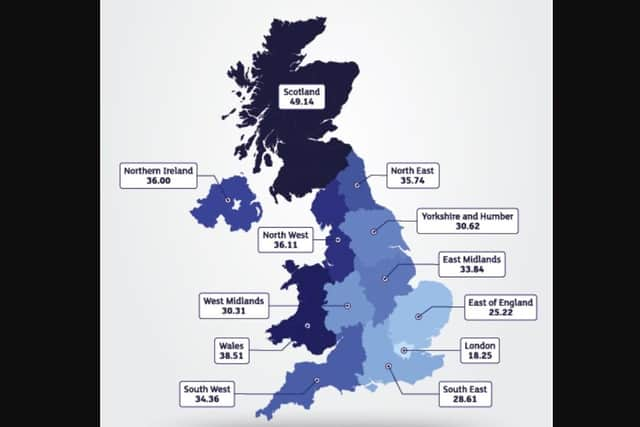
People are more likely to have a fatal transport-related accident in Northern Ireland than other parts of the UK, according to a new report launched by RoSPA on Thursday (November 14).
The ‘Safer Lives, Stronger Nation’ report shows the rate of transport deaths here is 34% higher than the UK’s overall rate.
It also finds accidental death rates in the province have risen by 56% in the last decade and accidents took almost 700 lives in 2022.
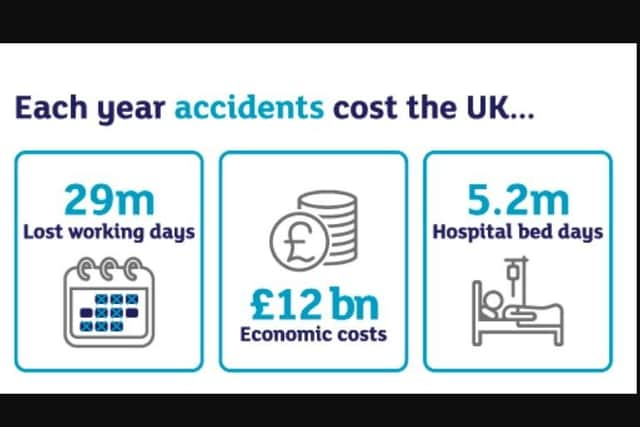
As well as the tragic human loss, preventable accidents cost the UK a massive £12 billion every year due to lost working days and medical care.

RoSPA (Royal Society for the Prevention of Accidents) is calling on the Government to implement a National Accident Prevention Strategy to save lives, boost the economy and free up capacity in the NHS.
Northern Ireland, the document states, is home to the second-highest rate of accidental death in the UK, behind only Scotland, and is currently 14% higher than the UK’s overall rate of accidental death and 23% higher than the rate in England.
Furthermore, pedestrians are particularly vulnerable in Northern Ireland, as they have the highest rate of accidental death than anywhere in the UK. Accidental death rates of pedestrians in the province are 142% higher than the rest of the UK and 175% higher than in England.
Pedal Cyclists

Accidental deaths of car occupants are also 88% higher in Northern Ireland than in the UK as a whole, and similarly there are higher rates of death amongst pedal cyclists (83% higher) and motorcyclists (20% higher).
RoSPA goes on to note the rate of non-transport fatal accidents is also 13% higher than in the UK as a whole. This is mainly due to the fact that deaths from accidental falls are over a third (37%) higher in Northern Ireland than the rest of the UK – and falls are by far the largest cause of accidental death locally.
The other significantly higher cause of accidental death in Northern Ireland is drowning, with rates almost three quarters (71%) higher than in the UK.
Steve Cole, director of Policy, Campaigns and Public Affairs at RoSPA, said: “Northern Ireland is facing an accident crisis. People in Northern Ireland are substantially more likely to suffer a serious accident today than they were 20 years ago.
"We must take action now to stop further preventable deaths and serious injuries – accidents are avoidable and do not need to happen. Even those who have never been involved in an accident are still suffering, as increasing numbers of accidents are choking the UK economy and engulfing the NHS – taking up bed space, money, time and resources that could be directed to other serious illnesses.”
The organisation that campaigns to reduce avoidable accidents goes on to point out that some causes of death, such as crushing, striking and machinery (known in medicine as being caused by ‘inanimate mechanical forces’) are 66% lower in Northern Ireland than the UK. Similarly, the rate of accidental poisonings is 10% lower in Northern Ireland than in the UK.
RoSPA’s data reveals that like the UK as a whole, falls are the most common cause of accidental death in Northern Ireland (55%), followed by poisonings (21%).
As well as personal pain and injury, accidents put a huge strain on the NHS, costing at least £6 billion annually in NHS medical care – not including ambulance callouts, surgery or long-term treatment.
Across the UK accidents led to around 5.2 million bed days, costing the NHS an estimated £5.4 billion last year. In addition, accidents resulted in around 7 million accident and emergency (A&E) visits across the UK last year, costing a further £613 million, bringing the total cost of accidents to the NHS to at least £6 billion annually.
Accident-related injuries are also a drain on the economy and prevent people from working. The combined cost to UK businesses is £5.9 billion, due to lost output and indirect management costs.
Across the UK in 2022/23 7.7 million working days were lost by those who were unable to work after an accident as they’d been admitted to hospital, or by their carers who took time off work to be with them. A further 21 million working days were lost by those who had to attend A&E after an accident.
RoSPA is calling for the Government to seize the initiative and create a National Accident Prevention Strategy – a first for the UK. The strategy must:
- Take a joined-up approach which cuts across departments and provides strategic leadership to guide policy making at national level;
- Empower individual departments or agencies to craft and implement more detailed policies Propose ambitious and evidence-led but realistic policy interventions to reduce accident rates;
- Cover the core sectors directly affecting the UK economy: home, work, product, leisure and transport;
- Be forward-facing to address emerging challenges, like the climate crisis, the rise of AI and the UK’s ageing population;
- Address inequalities like deprivation, age, ethnicity and region;
- Take a four-nations approach to data sharing and collaboration;
- Strengthen Government’s data collection and publishing processes relating to accidents.
Steve added: “Our new report revealing the growing numbers and types of fatal and life-changing accidents across the UK unveils a new public health scandal.
"By implementing a National Accident Prevention Strategy to sit across government departments problems can be tackled at their core, with a joined-up approach to cover all types of accidents – whether they happen at home, on the road, at work or in public.
"For too long we have accepted the economic and social consequences of accidents, and we’re still paying the price. We are calling for a National Accident Prevention Strategy to make Northern Ireland a safer place to live.”