
UK immigration policy avoids 'unworkable land checks' on Irish border, Government says
The UK government says it is cracking down on people abusing the Common Travel Area without the need for “unworkable land checks” on the Irish border.
The comments come after the Shadow Northern Ireland Secretary Alex Burghart told the News Letter that any future Conservative government would be prepared to introduce checks similar to those conducted south of the border.

A UK Government spokesperson said: “The Common Travel Area underpins the Good Friday Agreement protecting seamless movement for British and Irish citizens, and we are cracking down on those who set out to abuse it.
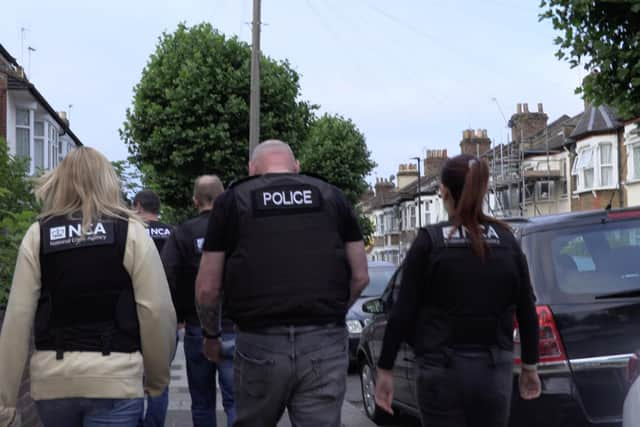
“We are fortifying it with tough, intelligence-led enforcement by investing £3.7 billion into Immigration Enforcement operations like Op Gull and Op Comby across Northern Ireland’s sea, air and transport networks.
“As agreed at the latest UK-Ireland Summit, we are expanding immigration data sharing to safeguard the Common Travel Area for British and Irish citizens.
“This targeted cooperation has already driven a 30% surge in arrests in Northern Ireland, keeping our borders secure without the need for unworkable land checks.”
Mr Burghart says whilst it is in “everyone’s interest to maintain the common travel area for British and Irish citizens we should not be prepared to accept an open backdoor into the UK.”
Checks on the Irish side of the border are carried out as part of a joint operation between the Garda’s immigration team and UK Home Office immigration enforcement officers.
The two countries share intelligence in a bid to disrupt illegal movements of people across the border, in operations targeting illegal working and people trafficking operations.
Earlier this month, the DUP leader questioned who is protecting Northern Ireland’s borders, after the Home Office said they don’t stop busses coming from Dublin, citing risk assessments amongst their reasons.
The Home Office said they could not lawfully stop busses from Dublin to Belfast, without the PSNI. Officials also told MPs they believed there were better outcomes from searching people at ports and airports.