


There are parks where you can stretch your legs, wildlife sanctuaries where you can watch rare species of birds in specially protected environments and even soak up the local history of some of the area’s biggest towns.
And for fitness buffs, there are plenty of walking and cycling paths allowing you to immerse yourself in the raw beauty of the nature of the Ards Peninsula. Pass through quaint villages and journey along the coast to discover the borough’s unique sights, all while working out your muscles and taking in the fresh air.
Don’t let the cost of living crisis impact spending time with your loved ones, check out our 11 free things to do across Ards and North Down.
Check out other things to do around the Ards and North Down area by going to visitardsandnorthdown.com
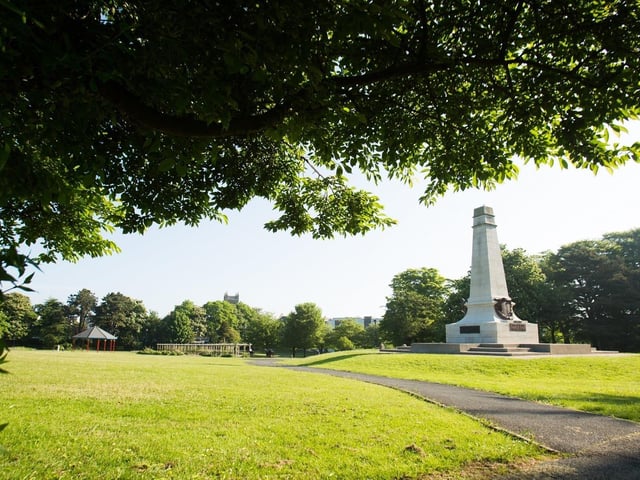
9. Ward Park, Bangor
Across 37 acres, Bangor’s main park boasts all-weather hockey pitches, bowling greens, tennis courts, a putting green and a children’s playground, among others. A chain of small lakes also provide a wildfowl sanctuary housing a large variety of exotic birds. A large memorial in the centre of the park boasts a gun from a German U-boat that was surrendered to the Allies at the end of the First World War. Photo: contributed
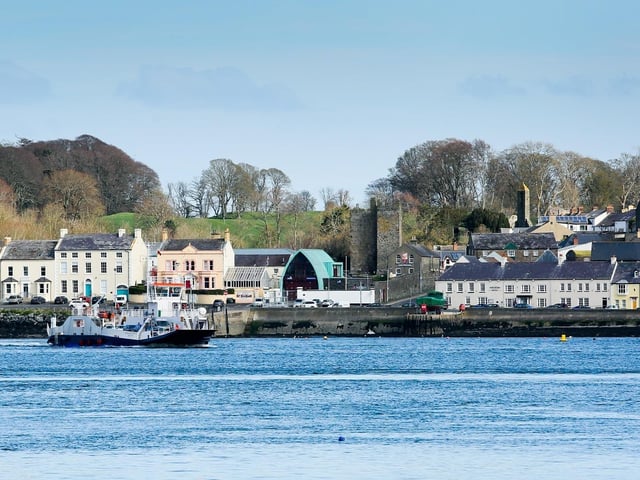
10. Strangford Lough Cycle Route
This 82-mile route around Strangford Lough allows you to fully immerse yourself in a designated Area of Outstanding Natural Beauty. On the route from Newtownards to Portaferry travels through the fishing village of Portavogie and past the National Trust protected village of Kearney, before crossing the Lough to Downpatrick. The route then passes through Killyleagh with its ornate chateau-style Castle. The final leg from Comber to Newtownards travels past Killynether Wood, beneath Scrabo Tower with superb panoramic views of the Lough. Photo: contributed
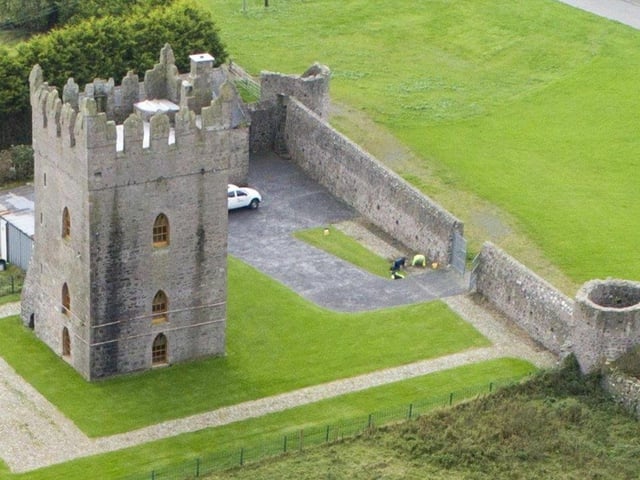
11. Kirkistown Castle
While it is unclear when the construction of this castle near Cloughey is unclear, the most likely contender is Roland Savage of Ballygalget in 1622, but possibly on a different site. A three storey tower house resides within the remains of a bawn (fortified enclosed space) and a barn that was added at a later date. As its foundations gradually sank into the marshy ground, buttresses and two iron braces were added to halt movement in the late 19th century. The tower has been subjected to numerous alterations over its history, including being extensively remodelled in a neo-gothic style in the early 19th century. Photo: contributed