


Across the country, many notable landmarks - both inside and outside - continue to thrive despite the falling temperatures and limited daylight.
Here are some of the best landmarks to be visited in Northern Ireland throughout autumn and winter.
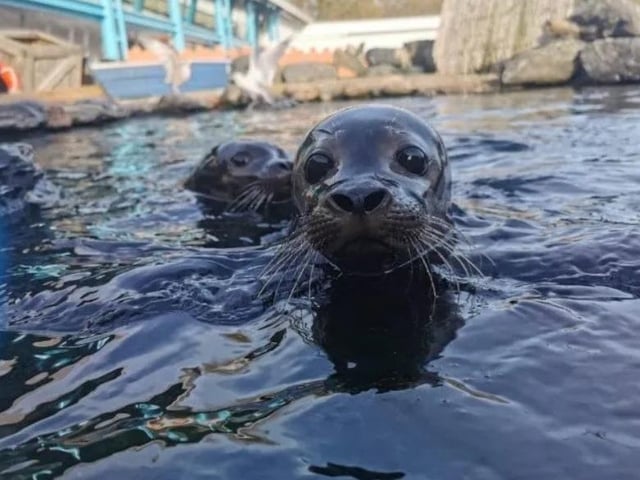
13. Exploris Aquarium & Seal Sanctuary
After a recent expansion, one of the UK’s biggest aquariums has even more to see and do than ever before. One hour from Belfast on the shores of Strangford Lough, prepare to be wowed with a diver’s view of marine life around the world. Experience the range of native species, along with learning about the Viking heritage of Strangford Lough. The colourful coral reefs in the Tropical Ocean zone play host to over one hundred species, with a team of aquarists and guides on hand to answer questions on many of the aquaria that you will encounter. Photo: Contributed
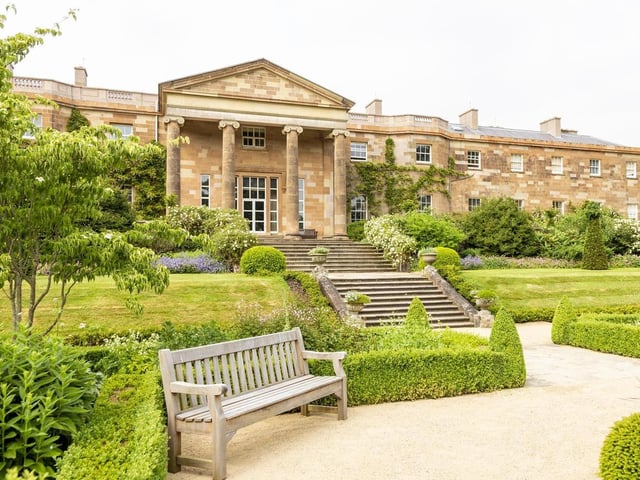
14. Hillsborough Castle and Gardens
Hear stories of celebration and diplomacy as you explore the history and State Rooms of the Royal Family’s official residence in Northern Ireland. From its origins as a grand family home, Hillsborough Castle has witnessed pivotal moments in history for over 300 years. Home to the Secretary of State for Northern Ireland since the 1970s, Hillsborough Castle has played a central role in the peace-building process for 40 years. Meanwhile, the glorious gardens, developed from the 1760s onwards, include ornamental grounds, peaceful woodland, meandering waterways and picturesque glens. Keep an eye out for specimen trees and rare plants as you explore the grounds. These special gardens, a delight to the senses, offer countless places to unwind, contemplate, socialise and seek inspiration. Photo: Contributed
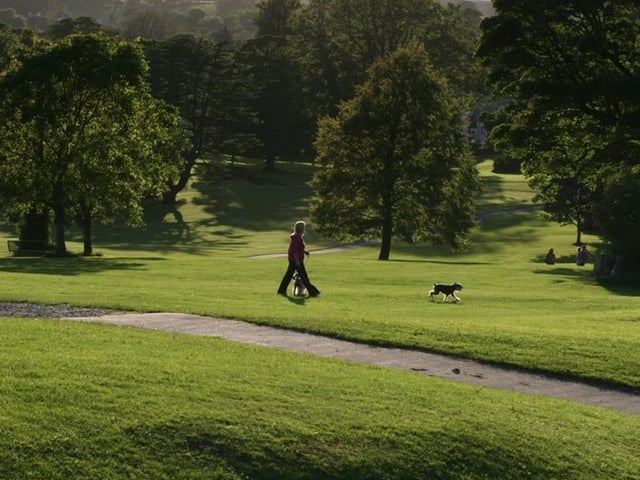
15. Kilbroney Park
On the shores of Carlingford Lough, this forest features a two-mile drive that leads to a car park from where walkers have the opportunity to climb to Cloughmore, 'the big stone', a 30-tonne structure, sitting at approximately 1000 feet above Rostrevor. Geologists explain its presence here as having been deposited during the ice age. However, local folklore claims it was thrown here by Finn Mac Cool during a fight with a Scottish Giant. During the same battle, the Scottish Giant allegedly tore out a handful of earth and flung it back at Finn, it missed and landed in the sea. We now know that area as the Isle of Man and the divot he made, filled up with water and became Lough Neagh. The trees, meanwhile, are relics of a much larger primaeval forest. The woodland contains Oak, Ash, Sycamore, Hazel to name but a few, along with ferns and flowers like wild garlic, primroses and bluebells. The forest is home to jays and squirrels and it hosts a number of rare plants like wood avens and hard shield fern. Photo: Contributed
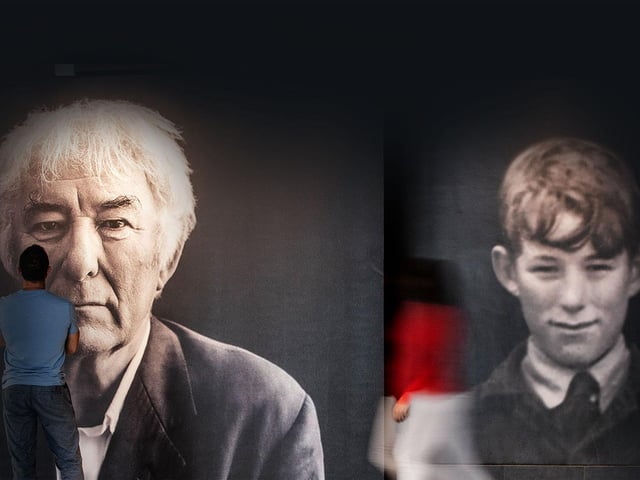
16. Seamus Heaney HomePlace
Journey through the life and legacy of one of Ireland’s greatest-ever writers, with this museum located in Heaney’s home village of Bellaghy. Situated between Heaney’s two childhood homes at Mossbawn and The Wood, and only a few hundred yards from St Mary’s Church, Bellaghy, his final resting place, HomePlace has been seamlessly integrated into the heart of the area that inspired so much of the poet’s work. It’s a place where you can sense the warmth of Heaney’s relationships with local people and landscapes; where you can immerse yourself in the Nobel Laureate’s literature. Atmospheric video projections and touchscreen displays sit alongside precious items donated by the Heaney family. His ink-stained wooden desk from Anahorish Primary School, a recreation of his study in Dublin and the fax machine that delivered the news of him winning the 1995 Nobel Prize in Literature in 1995 are among the artefacts. Photo: Contributed