
Public urged to be vigilant as Northern Ireland wildfire warning remains in place
People across Northern Ireland have been urged to be vigilant of the risk of fires in the countryside this weekend.
The Department of Agriculture, Environment and Rural Affairs (DAERA), Northern Ireland Fire & Rescue Service (NIFRS) and Police Service of Northern Ireland (PSNI) have issued an urgent appeal during the current warm and dry spring weather as the potential wildfire hazard risk is high.
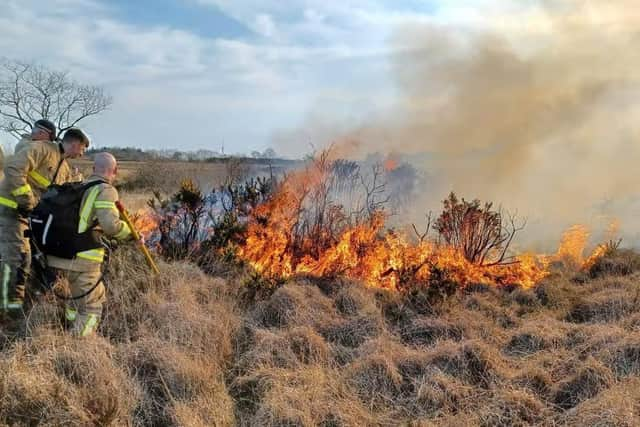
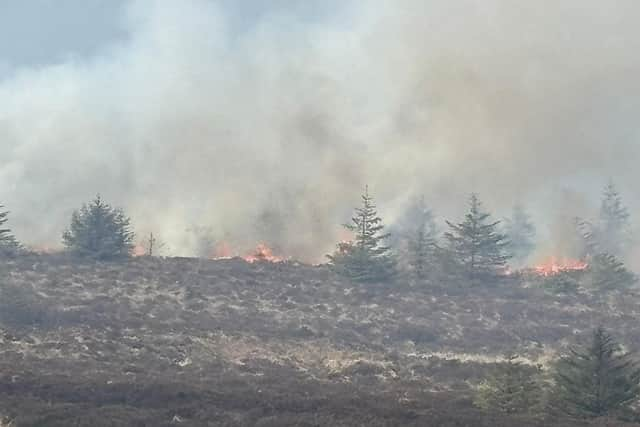
It comes as firefighters continue to tackle a large wildfire in the Slieve Beagh area of Co Tyrone.
DAERA Minister Andrew Muir said: “The current fire near Clogher is another stark reminder on how quickly they can spread, creating significant risk to life and property while causing extensive environmental damage."

He urged everyone to heed the elevated hazard warning issued, remain extra vigilant to fires in our countryside and report to the Police or Crimestoppers anyone known to be involved in deliberate and malicious fires.
"Those who know the individuals involved must come forward and help us apprehend the culprits wreaking destruction across our countryside,” the Minister added.
“Once ignited, fire can spread rapidly, especially in areas with dead grasses, gorse, forestry and heather. Large areas can become engulfed in a very short period of time putting life, property and wildlife at real risk. This activity must stop before someone is killed or injured.”
Area Commander Barry Ross, NIFRS, said: “With the dry weather set to continue over the next few days we are asking the public to support their firefighters by staying safe from fire in the countryside. Dealing with wildfires is not only challenging and physically demanding for our firefighters, it is extremely resource intensive for our Service and partner agencies. If you are enjoying the weather this weekend, please do so responsibly and follow our safety advice.”
PSNI Assistant Chief Constable Ryan Henderson said: “Gorse fires have the potential to cause widespread damage to the environment and harm to wildlife, as well as threatening homes, farms and the people living in those areas.
"The unpredictability of fire can also mean that those causing them may be putting their own lives at risk as well as the lives of the fire service personnel and other emergency services tasked to deal with them.
"I would remind the public that deliberate setting of wildfires is a criminal offence and if you see anyone setting a fire you should contact us immediately.
"Anyone caught deliberately setting a wildfire will be prosecuted to the full extend that the law allows.”

Extra caution is also advised with respect to use of machinery and other agricultural activity that may also present a risk of fire in dry vegetation on cultivated land in the current conditions. Operators of such equipment should ensure that the machinery is well maintained and that any heat insulation is in place, is intact and maintained to help reduce the risk of fire. Farmers and landowners are also reminded that the prescribed burning window is now closed.
People are asked to take the following advice to prevent fires in the countryside:
- Avoid using open fires in the countryside. An open fire can easily get out of control.
- Extinguish cigarettes and other smoking materials properly and don’t throw cigarette ends on the ground or out of car windows.
- Only use barbeques in a suitable and safe area and never leave them unattended.
- Ensure barbeques are fully extinguished and cold before disposing of their contents.
- Don’t leave bottles or glass in woodland or grassland. Take them home or dispose in a waste or recycling bin.
- Be considerate in parking vehicles so you don’t impede access for emergency vehicles.
- Keep children away from lighters, matches and open fires.
- Don’t attempt to tackle fires that can’t be extinguished with a bucket of water – leave the area as quickly as possible.
- If you see a fire in the countryside, report it to NIFRS immediately by calling 999.
- If you see someone setting fires, report it to the PSNI.