
Forage quality drives animal performance
High-quality, grass-based forage remains the key building block of ruminant diets on Northern Ireland farms – whether it is grazed, zero-grazed or conserved as silage.
United Feeds sales director Alan Boyd says the common denominator is simple: consistent animal performance starts with consistent sward quality and utilisation.
“Grazed grass is the cheapest feed on local farms – but only if swards are managed to produce consistently high-quality grass and that grass is utilised as efficiently as possible.
“Weather and ground conditions, pre- and post-grazing covers, and the layout of the grazing block all influence how much quality grass ends up being eaten.”
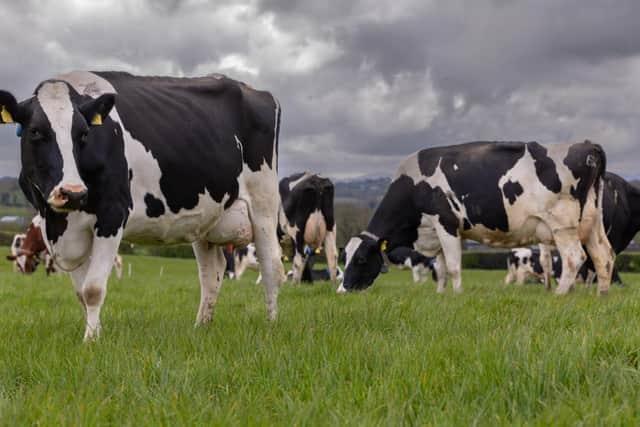

With herd sizes increasing – often alongside a fragmented land base – some farms are finding that turnout and full-time grazing is harder to deliver in practice.
“In many cases, turning stock out to grass becomes questionable because no single block of land can meet the herd’s grazing demand.
“That brings options into consideration such as zero-grazing or a fully housed system focussing on high-quality silage as the main forage source.
“Whatever the system, the priority is the same: grow leafy grass, preserve quality, and maximise utilisation.”
He added that ongoing, practical support is important, as grassland management decisions need to be made quickly as conditions change and the United Feeds’ team of
“This spring our Ruminant nutrition advisors will be highlighting practical steps farmers can take to protect forage quality and maintain performance through the season,” he said.
“United Feeds nutrition advisers will also be on the Dale Farm stand at Balmoral Show to discuss grass, silage and ration options with visitors.”
The cold, wet start to the 2026 grazing season has made early management challenging. However, it follows a winter in which many NI dairy herds performed strongly.
Alan Boyd commented: “That reflects the excellent grass silage made on many farms last year, alongside a favourable milk-to-feed price ratio. As a result, cows produced strong volumes of high-quality milk.
“In many herds, cows have been turned out to graze in recent weeks.
“Performance will only hold if cows have access to enough grass of the right quality.”
Effective grassland management is learned in the field. Regular farm walks, measuring covers, and acting quickly on changing conditions are central to keeping good grass in the diet and quality in the clamp.
Boyd added: “United Feeds’ ruminant nutrition advisers can visit farms and help put simple, practical steps in place to improve sward quality and utilisation.”
He concluded: “Getting the best from the on-farm resources you control – like soil and grass – remains central to building a resilient, sustainable farm business.
“At this time of year, effective grass management is a top priority, because it underpins both current performance and winter forage stocks.”
“Our advisers are available to support farmers aiming to raise standards of grassland management and protect forage quality through the season.
“We look forward to meeting visitors at Balmoral Show to discuss grass, silage and wider on-farm performance issues.”