


Of all the men who have served as President of the United States of America, almost half of them (20) could claim some Ulster-Scots heritage.
Among those is Bill Clinton who spoke proudly of his ties on his two visits here in 1995 and 1998 (his ancestors were the Blythe and Ayer families), and many of his predecessors who were also the product of Northern Ireland’s contribution to the American ‘melting pot’.
While many of these Presidents boasted recognisable Ulster-Scots names - Jackson, McKinley, Wilson - others, like Cleveland and one of the two Roosevelts, are less obvious.
Here are the 14 US presidents with roots in Northern Ireland:
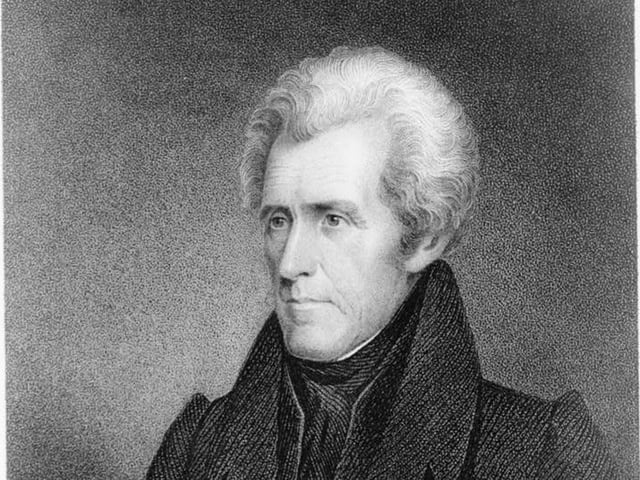
1. Andrew Jackson (President 1829-1837)
The founder of the Democratic Party was born in a log cabin in the remote Waxhaws region of South Carolina in March 1767. Both his parents, Andrew and Elizabeth, had left their home at Boneybefore near Carrickfergus 18 months earlier, sailing from the port of Larne. The Jacksons themselves had moved from Wigtonshire, Scotland, to Ulster during the Plantation of the 17th century. As an Army general, he gained national fame as the victorious commander at the Battle of New Orleans in January 1815 - the greatest American victory in the War of 1812 against the British. Like his parents, Jackson was a staunch Presbyterian and his wife, Rachel Donelson, who died before his inauguration, could also claim Ulster links. Today, Carrickfergus honours its links to ‘Old Hickory’ through a reconstruction of a thatched Ulster-Scots cottage as it was in the 1750s. Photo: Library of Congress
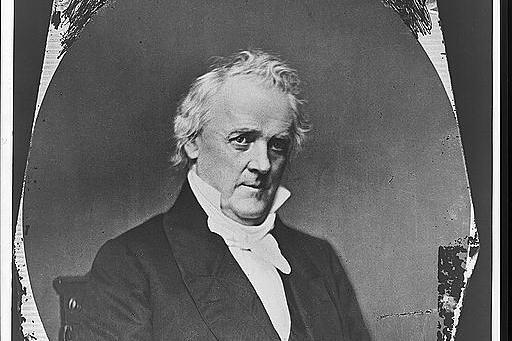
2. James Buchanan (1857-1861)
Born in a log cabin in Pennsylvania’s Franklin County in April 1791, Buchanan’s parents, James and Elizabeth, and some of their eleven children originated from Deroran near Omagh, Co. Tyrone, and sailed from the Donegal port of Ramelton in 1783. The only President to never marry, he would spend 42 years in public life, serving as a congressman, minister to Russia, Secretary of State, and minister to Britain before becoming President. At one point, he declared that ‘my Ulster blood is my most priceless heritage.’ That blood did not stop him from being ranked one of the worst Presidents in American history, as his support for slavery and states’ rights, coupled with a refusal to increase federal power, helped to lead to the Civil War that would erupt within a month and a half of his leaving the White House. Photo: Library of Congress
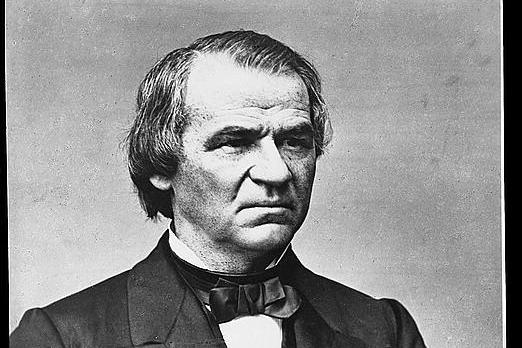
3. Andrew Johnson (1865-1869)
The first post-Civil War President - and the first to be impeached by the Senate - was born in a log cabin in Raleigh, North Carolina, in December 1808. His Presbyterian namesake and grandfather from Mounthill near Larne arrived in North America around the year 1750. His mother, Mary Polly McDonough, was of Ulster stock, as was his wife Eliza McCardle, the only daughter of a Tyrone-born boot maker. Johnson had served as Mayor of Greeneville, Tennessee, a town with a majority Scots-Irish population, before becoming Lincoln’s Vice-President before assuming the office in April 1865 after Lincoln’s assassination. Supervising the uneasy period of Reconstruction of the defeated Confederacy, he favoured a rapid restoration of the seceded states - without protection for the millions of people of colour who had only recently been emancipated from slavery. Photo: Library of Congress
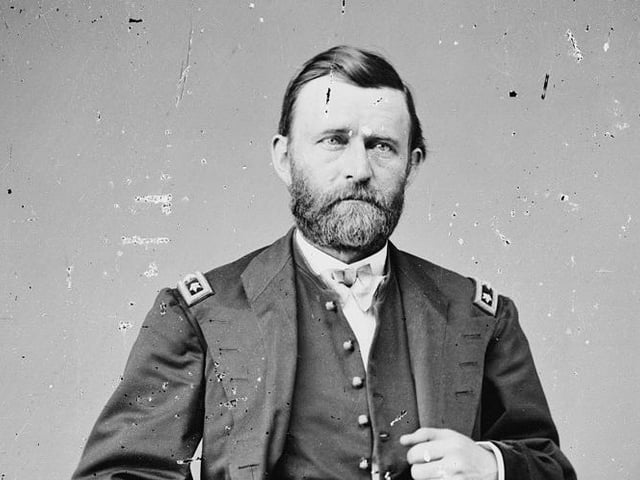
4. Ulysses S. Grant (1869-1877)
Born in Point Pleasant, Ohio, in April 1822, the 18th President is more famous for his unwavering command of the Union armies during the Civil War, where he was nicknamed ‘Unconditional Surrender Grant’ for his uncompromising stance with Confederate armies. His mother, Hannah Simpson, was descended from Dergenagh between Ballygawley and Dungannon in Co. Tyrone. His great-grandfather John Simpson left Ulster in 1760 and fought in the French and Indian War, the American theatre of the Seven Years’ War between the British and French Empires. In office, Grant stabilised the national economy, appointed African-Americans to prominent federal positions, and prosecuted the Ku Klux Klan, while completely restoring the Union. However, he freely admitted that he was better as a soldier than as a politician, and his reputation suffered for years due to the ‘Lost Cause’ myth spread by Confederate apologists before he was re-assessed. In July 1878, after leaving the White House, he travelled to Ireland to receive the freedom of Londonderry and stopped off at his paternal homestead near Ballygawley. Today, his homestead has been painstakingly preserved and is open all year round for guided tours. Photo: Library of Congress