
Repair works approved for St Gobhan’s (Seagoe) Church of Ireland in Portadown aim to safeguard long-term use of historic building
Consent has been granted for the repointing of all basalt stonework with lime mortar at St Gobhan’s (Seagoe) Church of Ireland in Portadown, with the exception of the tower stonework which will remain untouched.
The Seagoe Road church is one of the most ancient Christian settlements in the whole of Ireland, and is a B+ listed building.
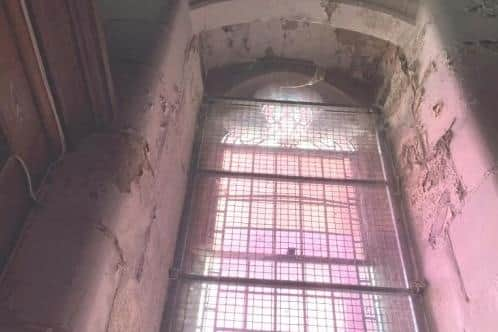
Repair work is to be undertaken to all sandstone. External lead windows will be inspected and repaired, and new discreet storm glazing will be installed.
In addition, discreet lead over-cloaking will protect all parapets, copings and ledges, while adequate suitable drainage adjacent to the walls will be provided at lower ground level.
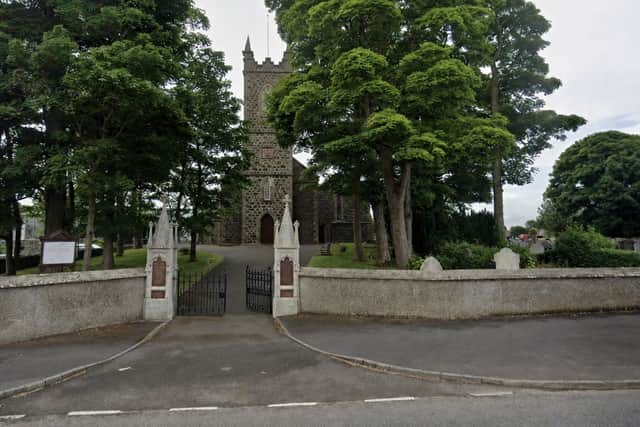

ABC Planning officers commented in their report: “St. Gobhan’s Church is thought to date from 540 A.D. and is of special architectural or historic interest. It is protected by Section 80 of the Planning Act (NI) 2011.
“Officers are of the opinion that the essential character of the building and its setting would be retained, and its features of special interest remain intact and unimpaired.
“The intention of the proposal is to carry out refurbishment and repair works to the building, and to safeguard the long-term use of the building, improve accessibility and facilities, and address essential maintenance issues, while respecting the building’s historic character.
---
Read more:
---
“Given the date of construction of the various areas of the church building, lime mortar pointing would almost certainly have been the material of choice during the original construction, allowing moisture to pass through, but also in turn evaporate outwards.
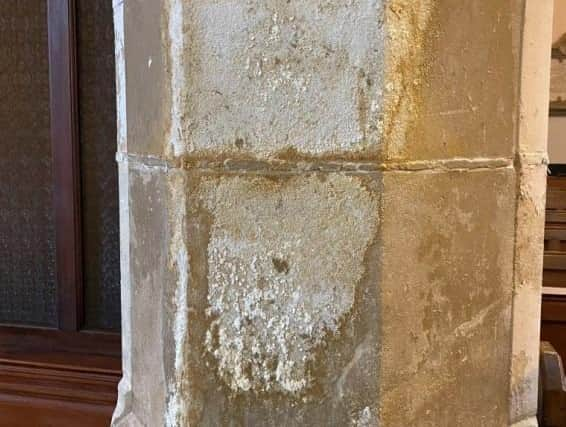
“As lime pointing is breathable and porous, it can, through successive years of freeze and thaw and rainfall, gradually dissolve out of the joints, and so requires to be maintained and from time to time replaced.
“Historic Buildings notes that the proposed works are repair in nature to the historic fabric, bar the installation of suitable drainage adjacent to the walls at lower ground level void and consider they do not affect the essential character of the listed building.
“All other proposed works are internal alterations to the building, and the design and finishes are considerate appropriate and sensitive to the immediate area. They will not adversely affect the character or appearance of the listed building.”