
NI shoppers can sprinkle some magic with a school kit charity gift this Christmas
Humanitarian aid charity Concern Worldwide is encouraging shoppers in Northern Ireland to sprinkle some magic around the world this Christmas by purchasing a school kit gift to give children the materials they need to thrive in school.
The international development organisation, which strives for a world free from extreme poverty, offers a range of alternative education gifts that will make a meaningful difference to communities that are most vulnerable to crises around the world.
For families facing poverty, being able to access the basics a child needs to succeed at school can be difficult. This gift of a school kit includes essentials such as a bag, pens and a notebook so more children can attend school.
Danielle Kelly, Gifts Coordinator at Concern Worldwide (UK), said: “I can’t think of anything more magical than supporting families to bring about lasting change this festive season with the help of shoppers in Northern Ireland.
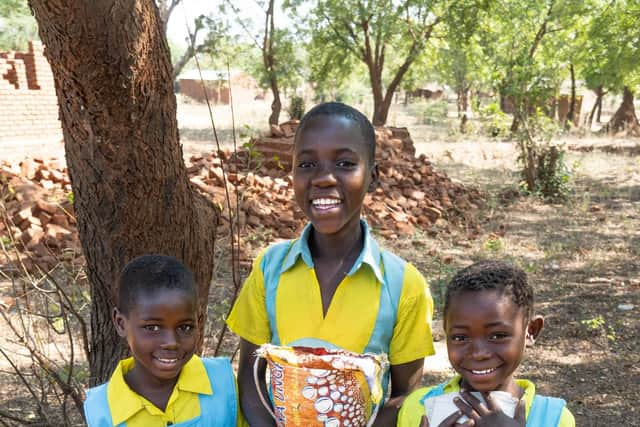

“At Concern, we’ve got loads of incredible gifts that can spread magic right from where you are now to families around the world. From providing essential school supplies for children in Malawi, to giving a milk-producing camel to reduce hunger in Kenya, no gift is the same, but each one has the power to be life-changing.
“Not only will your gift bring joy to your family and friends, but it will also give hope to people living in the world’s most vulnerable communities. People who share the same wishes as each of us – for their families to be safe and healthy, with all the opportunities they deserve for a bright and secure future.”
Concern’s education gifts, including emergency school fees, literacy, numeracy and life-skill sessions for girls, rebuilding a damaged classroom and child counselling sessions for children living in conflict situations, are available from www.gifts.concern.org.uk. For each gift purchased, the buyer will receive a gift card or e-card to give to their loved ones.
Concern works with people affected by conflict, climate change and other crises in areas such as Sudan, Gaza, Bangladesh and Ukraine. Last year, it reached 30.3 million people across 26 of the world’s poorest countries.