
'I thought it was just leaky nappies': mum shares son's type 1 diabetes diagnosis story
A Northern Ireland mum has shared her experience of her son's type 1 diabetes diagnosis at just 19 months old, after initially noticing his nappies were repeatedly leaking overnight.
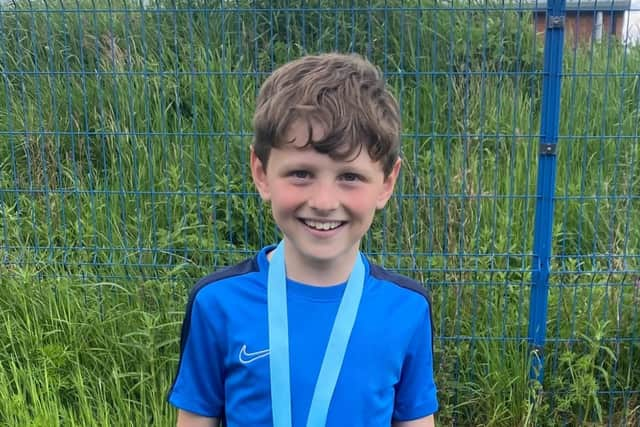

Claire Elliott's story is being shared as Diabetes UK launches a major awareness drive to mark World Diabetes Day highlighting the main symptoms of type 1 diabetes, known as the 4Ts, and urging people to 'share the signs – and save a life'.
New data reveals that hundreds of babies and young children are becoming seriously ill each year before their type 1 diabetes is diagnosed. The recorded rate of children being diagnosed with type 1 diabetes while in diabetic ketoacidosis (DKA) - a potentially fatal medical emergency – reached an eight-year high in 2024-25.
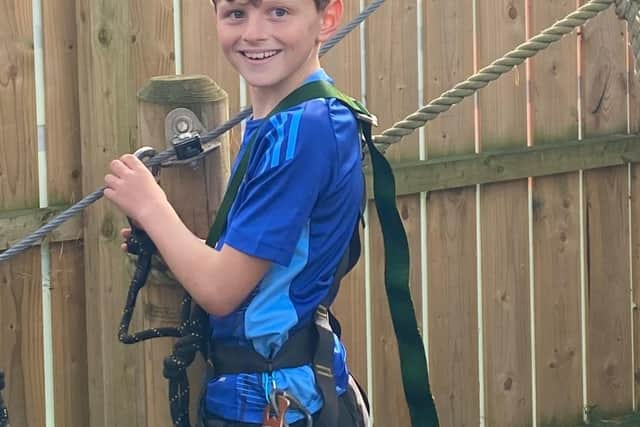
Claire said: “The wet nappies are what really stood out to me as I noticed on several mornings that they had leaked on to the bedding – I had initially put it down to them maybe being poor quality.
“I also thought that he might have been having an issue with his kidneys, so gave the GP a call. They’d asked to try and get a urine sample which I then dropped off to them, while Bobby was at the childminders.
“I remember the doctor saying ‘it was really high’ but didn’t know what that meant at all. They had meant his glucose levels. The doctor told me I needed to get him to the hospital as soon as possible and that she’d ring ahead to let them know I was coming. It was such a panic as this was in the thick of winter and the roads were incredibly icy and dangerous.
“As soon as we reached the hospital, they did a finger-prick blood glucose test and confirmed their suspicions about Bobby having type 1 diabetes. It was all so new to me, so everything after that felt like a whirlwind of information and emotions.
“The hospital team assured me that we’d done absolutely the right thing looking into the issue I had noticed with Bobby’s wet nappies. He thankfully wasn’t in DKA, he was diagnosed in time before his condition had deteriorated.
“So that was really how it all started - heavy leaky nappies. It was hard, because he was only 19 months old. He couldn’t tell us how he felt. Looking back, he was showing other 4Ts symptoms. He’d always be asking for his sippy cup or giving it to you as his way of asking for more. Before his diagnosis, I wouldn’t have remarked this as being out of the ordinary.
“The team that supported us during his diagnosis are the same team he has today, they’re brilliant. No question was silly and they were happy to explain things over and over again if needed. Bobby is now nine and doing brilliantly. He hasn’t let his diabetes stop him and loves all sports, football especially.
“His diagnosis was really tough – he was just so small, and it hurt him when they had to do finger-pricks to check his blood glucose levels in those earlier stages. It was really hard seeing him upset. Now, he’s such a little trooper – it’s been amazing to see him adapt well to life with diabetes.”
The 4T symptoms of type 1 diabetes are:
Toilet: going for a wee more often, especially at night. Heavier nappies in babies, new bedwetting in children.
Thirsty: constant thirst, or feeding more in babies.
Tired: feeling unusually tired, napping more or for longer, and changes in behaviour such as irritability or difficulty concentrating at school.
Thinner: unexplained weight loss or looking thinner.
In younger children, these symptoms can be harder to detect as they may appear alongside common childhood illnesses such as flu, gastroenteritis and urinary tract infections, meaning there is a risk of type 1 diabetes going undetected. Yet a simple finger prick blood glucose test can quickly identify the condition, could prevent DKA and save a life.
Diabetes UK has issued fresh guidance advising healthcare professionals to ‘think type 1 diabetes’ and urgently test for the condition if a baby or child presents with any one of the symptoms. The charity says parents should contact their GP immediately and ask them to test for type 1 diabetes if they spot any of the symptoms.
Colette Marshall, Chief Executive at Diabetes UK, said: “A type 1 diabetes diagnosis should never start with a medical emergency. Yet every year, hundreds of UK families face the heartbreaking reality of seeing their children reach crisis point before anyone recognises the condition. For almost a decade, we have seen no improvement in these figures – and that has to change, starting now.
“This World Diabetes Day, we’re urging everyone to learn the 4Ts and share the signs with others. If a child shows any one of these symptoms, particularly if it seems unusual for them, the message is simple: think type 1 diabetes. A simple test could make all the difference – and it could even save a life.”