
39 people in Mid Ulster were waiting for a full or partial care package for more than 12 weeks, with 28 of them (72%) living in open countryside
Almost three-quarters of people waiting more than 12 weeks for a homecare package in Mid Ulster live in open countryside, new figures have revealed.
The Independent Health and Care Providers (IHCP) said that the figures highlight the particular difficulty of delivering homecare in rural communities.
Health Minister Robbie Butler recently confirmed that 39 people in the Northern Trust’s Mid Ulster locality were waiting for a full or partial care package for more than 12 weeks, with 28 of them (72%) living in open countryside.
The Trust has also acknowledged unmet need in the rural areas of Draperstown, Stewartstown and Desertmartin, saying the waits are largely due to a lack of capacity within existing homecare rotas and the need to establish an additional one.
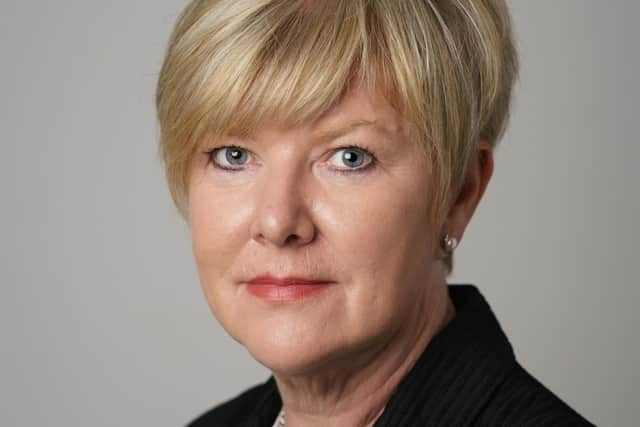

IHCP Chief Executive Pauline Shepherd said: “Nobody should face a longer wait for care simply because they live in a rural area.
“These figures show a very clear problem. Of the 39 people who have been waiting more than 12 weeks for care in Mid Ulster, 28 live in open countryside.
“The Trust itself has acknowledged that there is unmet need in rural areas and that existing rotas do not have enough capacity. The question now is what is being done to make sure that care can actually be delivered in those communities.”
IHCP has repeatedly raised concerns that the current homecare funding model does not properly reflect the additional costs involved in delivering care over distance, including travel time and mileage.
Ms Shepherd said: “Providing adult homecare in a rural area is very different from providing a series of calls close together in an urban area. Staff can spend significant time travelling between clients, and those journeys cost more as fuel prices rise.

“If government wants providers to take on more rural care packages, the rates paid have to reflect what it actually costs to deliver that care. Otherwise, it becomes increasingly difficult to build and maintain the rotas needed in the areas where people are already waiting longest.”
The Minister’s answer said the Northern Trust’s homecare reform programme includes an objective of “levelling up” rural areas, so that people living there should not have to wait longer than those in urban areas. It also confirmed that a new block run has recently been established in Pomeroy, which had been traditionally regarded as a homecare “black spot”.
Ms Shepherd said that was welcome, but added: “The aim of making sure rural communities do not wait longer is absolutely right. What matters now is whether the funding and workforce are in place to make that happen consistently across every rural area.
“We need a homecare funding system that recognises travel time, mileage and the real cost of delivering care in rural communities. Without that, the same problems will continue to appear in different parts of Northern Ireland.”
The IHCP is a non-profit organisation representing private, voluntary, charitable and church-affiliated adult care providers, with more than 300 member organisations across Northern Ireland. Its members provide a range of services, including nursing and residential homes, housing with care schemes, and home care (domiciliary care).