
Many adults in Northern Ireland are suffering in silence over ear wax problems, Hidden Hearing study reveals
A new survey has revealed that many adults in Northern Ireland suffer in silence instead of getting ear wax removal treatment.
A build-up of ear wax can cause blocked ears, hearing difficulties, ringing in the ears (tinnitus), discomfort, and even affect balance.
New research from Hidden Hearing highlights how common ear wax problems are, how people get them treated, and what we really think about ear care.
The independent survey of 324 adults in Northern Ireland, highlights that ear wax is a common, but often overlooked, issue with almost five in 10 people saying that they have needed professional ear wax removal.
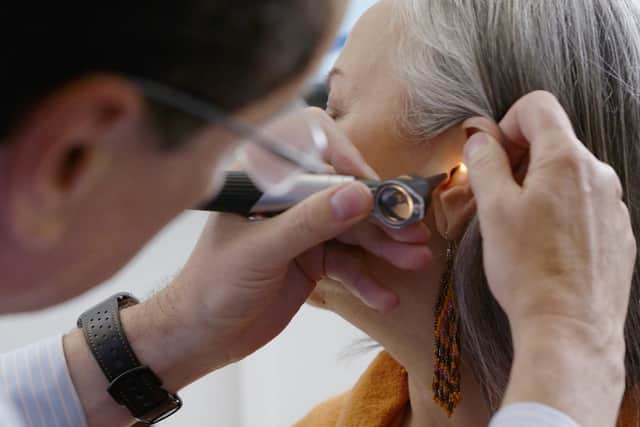

“People don’t always like talking about ear wax; in fact, almost 30 per cent of people say they “hate the thought of it”, but the truth is, it’s something most of us will have to deal with at some point. Ear wax might not be the most glamorous health topic, but blocked ears can be uncomfortable and isolating,” said Tim Pringle, chief audiologist at Hidden Hearing.
Almost one in five (19 per cent) adults said they wait until they feel uncomfortable before booking an appointment. 13 per cent of those who have had wax removed go every few months for a regular clear-out, but 32 per cent of respondents say they never get it done.
For those that have got it done, the good news is that 86 per cent were satisfied with their treatment, and nearly half say they were “very satisfied”.
Some 42 per cent of those who had ear wax removal went to a GP or public health service, 39 per cent went to a private health clinic, and 12 per cent went to a pharmacy-based service. With GP services under pressure, many people don’t realise access to the service is changing, with 53 per cent of respondents unaware that GP surgeries across Northern Ireland are reducing, or even stopping, ear wax removal services.
The survey said 68 per cent adults said they would happily pay privately for ear wax removal if GP services were no longer available, showing they recognise how important ear care is to their overall wellbeing. 37 per cent of those who choose private clinics do so on the recommendation of a friend or family member, while 31 per centof those who choose private clinics, do so because they can get an appointment faster.
The study also found that not everyone gets professional help, with 57 per cent of adults admitting to trying home remedies. However almost four in 10 said they either didn’t work, or actually made things worse.
Hidden Hearing explained that ear wax is a naturally occurring substance in the ear canal. It’s actually good for your ears, helping to keep the skin healthy and prevent infection at the same time.
Earwax also helps in the cleaning and lubrication of the ear canal. In most cases, ear wax works its way out on its own, and there is no need to remove it. However, if ear wax is blocking your ear canal and causing hearing loss, it may require removal.
“Swimming, air travel, and frequent use of earbuds or hearing aids can all contribute to wax buildup, which can leave ears feeling full and heavy, itchy or with muffled sound,” said Tim Pringle.
"Don’t ignore it or try risky home remedies. Professional ear wax removal is safe, quick, and can even improve hearing immediately. Looking after ear wax today is a simple step toward long-term ear health, avoiding complications down the line.”
Mr Pringle added that ear wax removal should never hurt. People should visit a dedicated and experienced ear wax removal technician who will help them have the wax removed using the most up-to-date technology. Modern methods for earwax removal only lead to a mild sensation in the ear.