
Portrush: RNLI highlights dangers of rip tides on Northern Ireland coastline after rescue of man and two children
The dangers of beachgoers being caught in a rip tide have been highlighted after a man and two children had to be rescued after getting into trouble in the water at Portrush.
Portrush RNLI volunteers, along with surfers who were in the area, came to the assistance of the trio who found themselves in difficulty in the water on Saturday afternoon at Castle Erin at the West Strand.
The Portrush inshore lifeboat was requested to launch by Belfast Coastguard after Deputy Launching Authority Ben Durrant noticed three people caught in a rip tide while he was out for a walk. Ben immediately dialled 999 and alerted the Coastguard to the emergency situation.
"The D boat was launched very quickly after the page activation and as conditions were good for the launch, with smooth seas, good visibility, and very little wind, the volunteer crew were on scene very quickly,” a spokesperson for Portrush RNLI said.


"Surfers who were nearby heard shouting and made their way to the scene, where they were able to assist two children. The ILB crew then got an adult male into the boat and made their way to the shore where they met the surfer with the children.
"The crew talked to the casualties and ascertained that no medical assistance was required.”
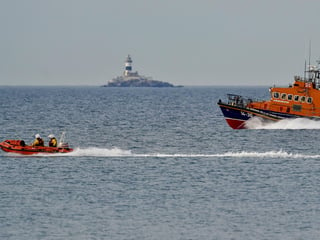
Involved in the rescue were Johnny Weston (helm) Dan Thorne and Colm Watters.
Johnny Weston said: “Conditions for the rescue were perfect and we were able to launch very quickly and be on scene very quickly also. Rip tides are strong currents running out to sea which can quickly drag people from the shallows of the shoreline out to deeper water.
"Even the most experienced beachgoers can get caught out by rips so don’t be afraid to ask for advice. Our lifeguards will be on the beaches next weekend and will be able to advise.
"If you think you see someone in difficulty dial 999 and ask for the Coastguard - better safe than sorry.”
In the UK, the majority of RNLI lifeguard incidents involve rip currents. They are a major cause of accidental drowning on beaches all over the world.